Source Smart Watch Band for Fitness, Business, and Daily Use
Explore 30 listings for smart watch band options featuring customizable designs, various materials like plastic and silica gel, and diverse functionalities including Bluetooth and heart rate monitoring. Buyers can compare specifications, MOQs, and origins to find suitable suppliers for their needs.
Key considerations
Products List


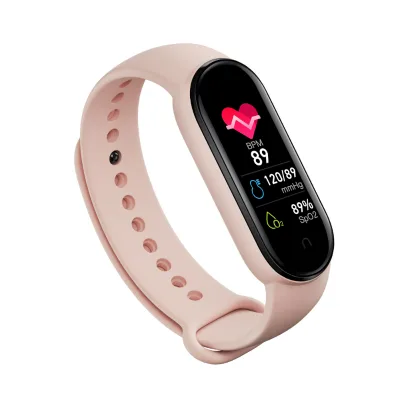
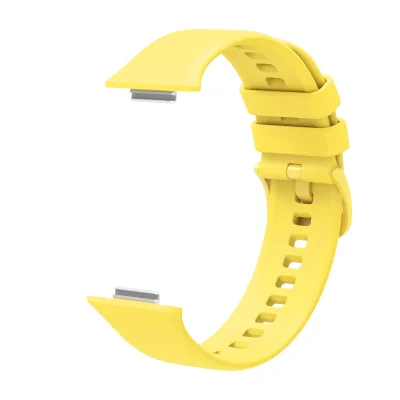

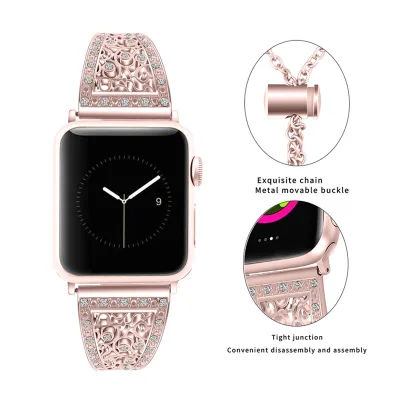


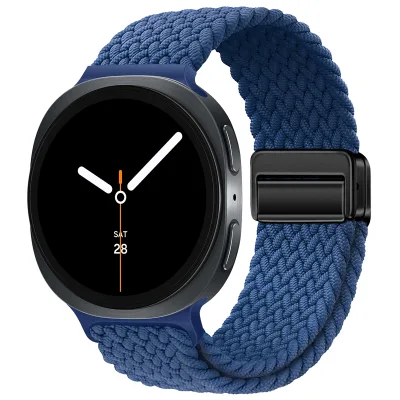




Comprehensive Sourcing Guide
Smart Watch Band Sourcing Guide
The market for smart watch bands presents a diverse array of options ranging from simple fashion accessories to complex wearable devices with integrated communication capabilities. Buyers must distinguish between pure replacement bands and full smart wristbands that include features like Bluetooth connectivity, heart rate sensors, and dual SIM support. The observed product models indicate a spectrum from basic silica gel straps to advanced units with AMOLED or OLED displays and specific motherboard dimensions.
Procurement decisions should prioritize the intended application, whether for business gifting, fitness tracking, or general communication. The available data highlights products with specific functions such as sleep tracking, GPS navigation, and call reminders, alongside others designed purely for aesthetic customization. Understanding whether the requirement is for a standalone device or a compatible accessory is critical before engaging with suppliers who may offer OEM services or standardized packaging solutions.
Product Scope and Observed Listing Signals
Buyers should carefully analyze the listed product models to ensure they match the specific functional requirements of their target market. The observed listings include models with varying display technologies, such as AMOLED and OLED screens, and different screen resolutions like 1024x768 pixels. Some products are explicitly described as having no camera, while others support advanced features like 3G, 4G, and 5G connectivity, necessitating a clear definition of the desired feature set before sourcing.
Packaging and physical dimensions also vary significantly across the observed inventory, with some items packed individually in polybags and others in bulk cartons of 100 pieces. The single package sizes range from compact 10x10x10 cm units to larger dimensions, which directly impacts logistics planning and storage costs. Buyers must verify if the product origin, such as Jiangsu or Guangdong, aligns with their supply chain preferences and if the stated material, like plastic or silica gel, meets their durability expectations.
Technical Specifications to Verify
Technical due diligence requires confirming the compatibility of the operating system and connectivity protocols with the user's existing ecosystem. The observed specifications list support for a wide range of operating systems including Android, iOS, Linux, and Windows Mobile, alongside specific hardware components like the BK3266 CPU. It is essential to verify that the Bluetooth calling capabilities, including speaker and microphone support, function reliably with the intended mobile devices to avoid compatibility issues post-purchase.
Physical attributes such as waterproof ratings and sensor accuracy are critical for fitness and outdoor applications. While some listings claim IP68 waterproof standards, others explicitly state the product is not waterproof, creating a significant risk if the wrong specification is selected. Buyers must also validate the accuracy of the heart rate sensor and the reliability of features like the compass, thermometer, and sleep tracker, ensuring these functions meet the performance standards required for the specific use case.
Compliance and Safety Documentation
Regulatory compliance is a non-negotiable aspect of sourcing electronic wearables, particularly those with wireless transmission capabilities. The observed data references standards such as CE and RoHS, which are essential for market access in many regions. Buyers must request current certification documents to verify that the products meet the specific electrical safety and environmental requirements of their destination markets, rather than relying solely on general claims found in product listings.
Safety documentation should also address the materials used in the construction of the bands and the electronic components. The listings mention materials like plastic and silica gel, which must be free from harmful substances to comply with international safety regulations. Procurement teams should ensure that the supplier provides test reports confirming the absence of hazardous materials and that the manufacturing process adheres to relevant quality management standards to mitigate liability risks.
Cost Drivers and Commercial Terms
Pricing in this sector is influenced by the complexity of the electronic components and the level of customization required. The observed price range spans from very low-cost items to higher-priced units with advanced features like dual SIM cards and GPS navigation. Buyers should understand that the inclusion of features such as SDK availability, touch screens, and specific display technologies will significantly impact the unit cost and the overall budget for the procurement project.
Minimum Order Quantities (MOQ) and payment terms are key commercial variables that affect cash flow and inventory management. The data indicates a wide range of MOQs, from as low as 100 pieces to 5000 units, with some listings suggesting a standard MOQ of 10,000 units. Negotiating these terms is crucial, as higher volumes may unlock better pricing tiers, but they also increase the financial risk if the product does not sell as expected in the target market.
Supplier Qualification and Quality Control
Supplier qualification should focus on their ability to deliver consistent quality and adhere to the specified customization requirements. The observed listings indicate that OEM services are available, allowing buyers to tailor products to their brand identity. However, buyers must verify the supplier's capacity to maintain quality control standards, such as the "Fine" quality rating mentioned in some listings, through rigorous inspection processes before shipment.
Quality control protocols must extend to the packaging and shipping stages to prevent damage during transit. The observed packing methods, ranging from individual polybags to bulk cartons, must be validated to ensure they provide adequate protection for the electronic components. Buyers should establish clear acceptance criteria for product defects and require pre-shipment inspections to confirm that the delivered goods match the agreed-upon specifications regarding screen size, resolution, and functional performance.
Long-Term Procurement Checks
Sustainable procurement requires establishing a framework for ongoing performance monitoring and supplier relationship management. Buyers should implement regular audits to ensure that the supplier continues to meet the agreed-upon standards for product quality and compliance over time. This includes verifying that the supply chain remains stable and that the supplier can scale production to meet fluctuating demand without compromising on the integrity of the product.
Long-term success also depends on the ability to adapt to technological advancements and changing market demands. As the smart watch industry evolves, buyers must maintain open communication with suppliers to stay informed about new features, materials, and regulatory changes. Establishing a clear feedback loop for product performance and customer satisfaction will help identify areas for improvement and ensure that the procurement strategy remains aligned with the evolving needs of the end-users.
FAQs
What customization options are available for smart watch bands?
Customization is available for these smart watch bands, allowing buyers to tailor products to specific needs. The standard is listed as customized, and OEM services are supported. This flexibility enables brands to create unique designs while maintaining the core functionality of the device, such as Bluetooth connectivity and fitness tracking features.
Can I source smart watch bands with specific certifications?
Yes, you can source smart watch bands that meet specific safety and environmental standards. The product facts indicate compliance with CE and RoHS standards. These certifications ensure the electronic components and materials used in the bands are safe for consumer use, which is critical for selling in regulated international markets.
What is the typical MOQ for ordering smart watch bands?
The typical MOQ for these smart watch bands is 100 pieces for standard orders. However, some listings indicate a higher MOQ of 10,000 units for specific models or bulk production runs. Buyers should verify the exact quantity requirements with the supplier, as MOQs can vary based on customization levels and production capacity.
Which materials are used for smart watch band construction?
Smart watch bands in this category are primarily constructed from plastic and silica gel materials. These materials are chosen for their durability, comfort, and flexibility. The bands are designed to be waterproof, with some models featuring IP67 or IP68 ratings, ensuring they can withstand sweat and water exposure during daily use or sports activities.
How are smart watch bands packaged for shipment?
Smart watch bands are typically packed individually in polybags or OPP bags. Bulk shipments often contain 100 pieces per carton. The single package size is approximately 10x10x10 cm, and the gross weight is around 1.000 kg per unit package. This packaging ensures protection during transit and simplifies inventory management for retailers.
What features do these smart watch bands offer?
These smart watch bands offer features like Bluetooth connectivity, fitness tracking, and heart rate monitoring. Some models include touch screens, GPS navigation, and MP3 playback. The bands support various operating systems and can handle calls, messages, and app controls. They are designed for unisex use and come in sports or business styles.